Knots and Lines
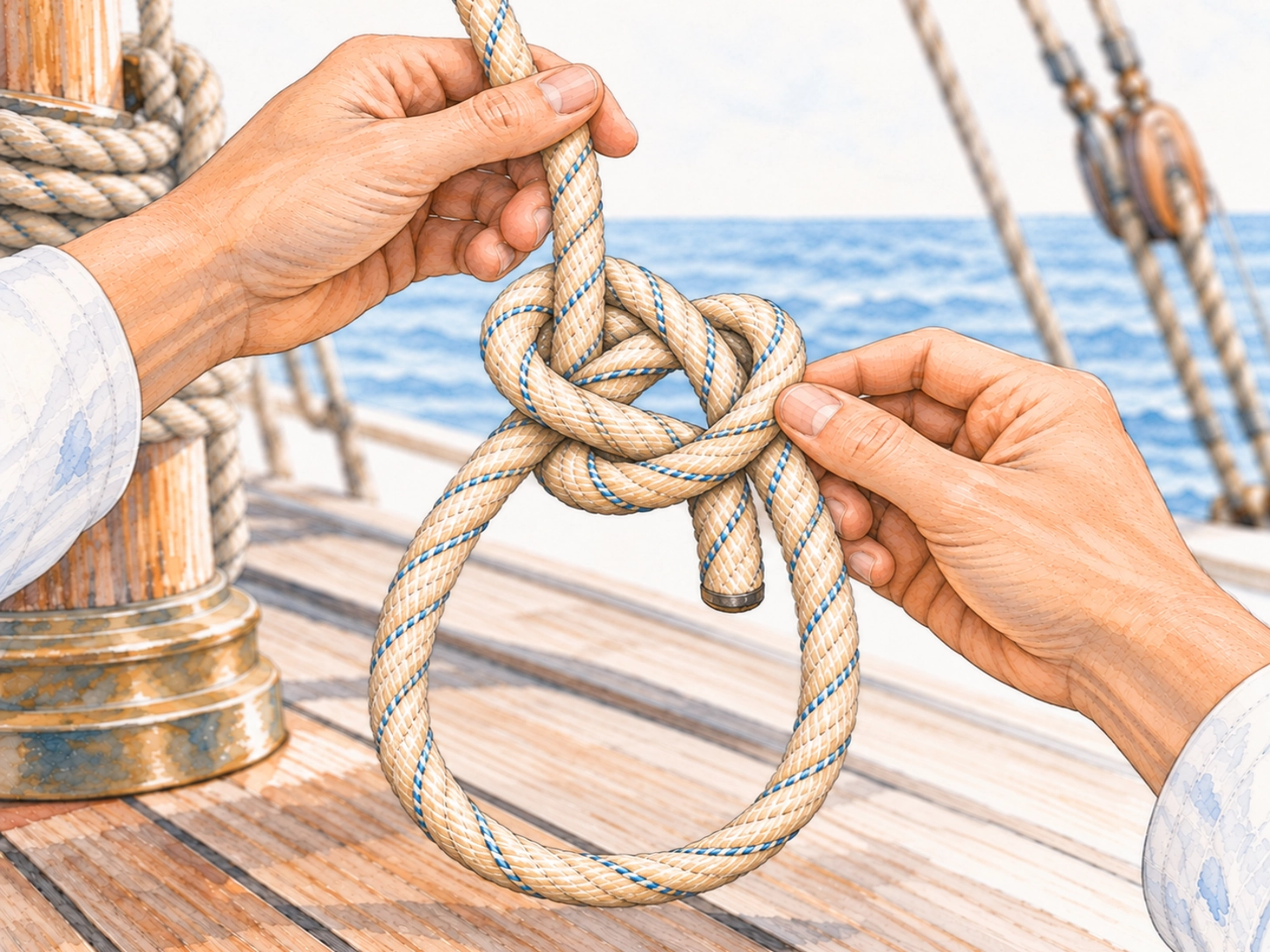
On board, take a knot tying class from the crew and learn them with a line in your hands.
Speak like a Sailor
The language of the sea, explained.
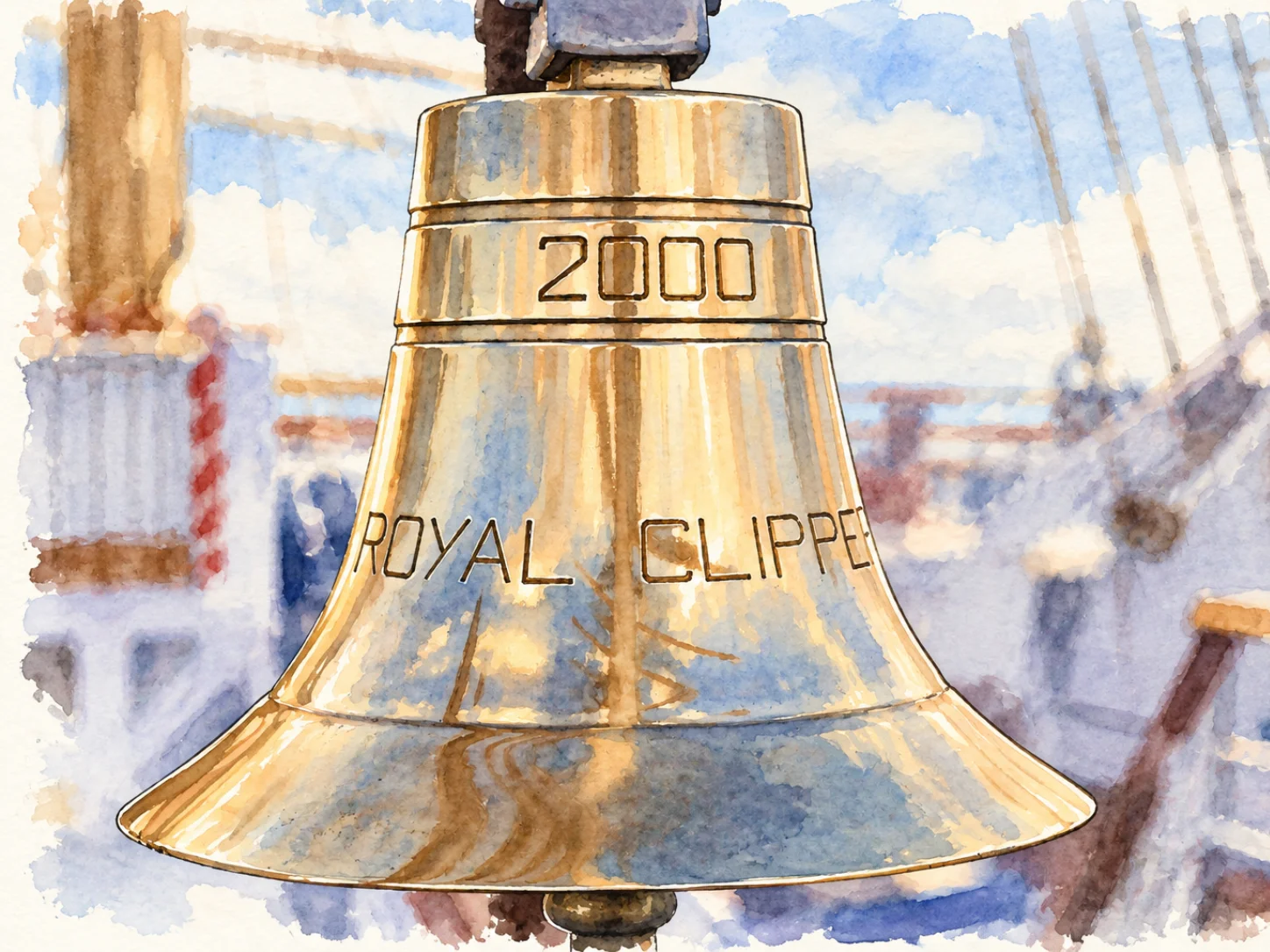
Sailors have a word for almost everything. Here are the ones you will hear most.
Port: The left side of the ship when facing forward.
Starboard: The right side of the ship when facing forward.
Bow: The front of the ship.
Stern: The back of the ship.
Forward: Toward the bow.
Aft: Toward the stern.
Bridge: Where the ship is navigated and commanded.
Helm: The wheel used to steer the ship.
Watch: A shift of duty. Officers and crew stand watch around the clock.
Bowsprit: The spar that reaches forward from the bow.
Yard: A horizontal spar that carries a square sail.
Halyard: A line used to raise a sail.
Sheet: A line used to control the angle of a sail.
Heel: The sideways lean of a ship under sail.
Windward: The side facing the wind.
Leeward: The side sheltered from the wind.
Knot: A measure of speed equal to one nautical mile per hour.
The Open Bridge
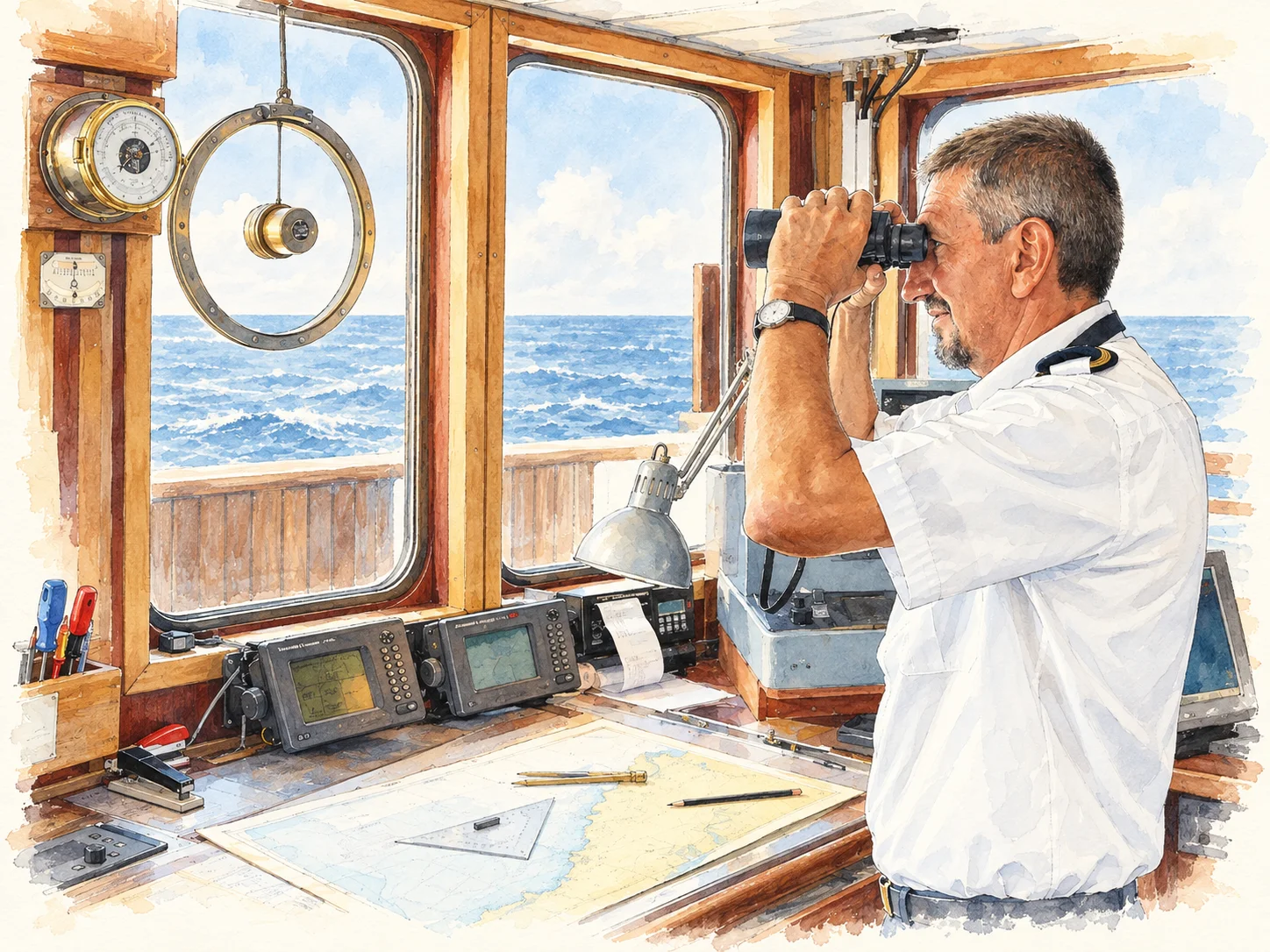
Visit the bridge and see how the ship is navigated.
Guests are welcome on the bridge throughout the voyage. Look over the charts. Watch the officer of the watch check the wind and the ship’s position. Ask questions. The officers are used to them.
Each passage is planned around the weather as much as the destination. A shift in the wind can mean a change of sails, a new heading or an earlier departure. The watch system that keeps the bridge staffed day and night has changed very little in centuries.
Most mornings, the Captain gathers guests on deck to talk through the day’s sailing and the route ahead.