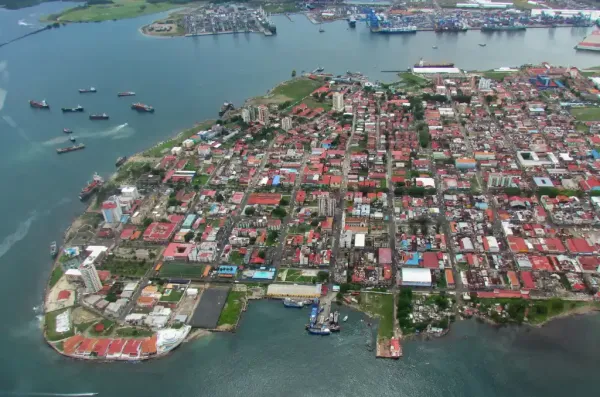
At the Caribbean entrance to the Panama Canal, Colón is an important maritime gateway closely linked to one of the world’s great waterways. Long shaped by the canal and the shipping routes connecting two oceans, it remains one of Panama’s principal ports. While time ashore may be limited, nearby Agua Clara offers an impressive glimpse of ships transiting the canal’s modern locks. Whether arriving or departing, Colón provides a memorable connection to the rich maritime story of Panama.
A Panama Canal transit is a captivating and engineering marvel that takes ships through the heart of the Americas, connecting the Atlantic and Pacific Oceans. This extraordinary journey involves navigating a series of locks and channels, providing a front-row seat to the incredible feat of human ingenuity. As vessels make their way through the lush tropical landscape of Panama, passengers can witness the intricate process of rising and descending through the locks, which is both educational and awe-inspiring. The experience offers a unique perspective on the country's rich history, stunning landscapes, and the vital role the canal plays in global trade and connectivity. A Panama Canal transit is a bucket-list adventure that combines natural beauty with an appreciation for human innovation.
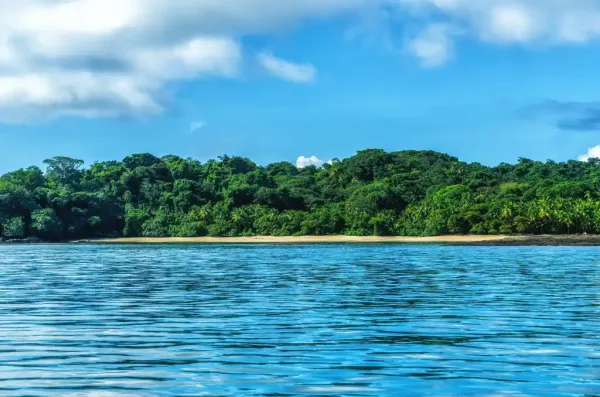
Scattered across the Gulf of Panama, the Pearl Islands are a dreamy archipelago of emerald isles, white-sand beaches and clear, sunlit waters. Once famed for the pearl oysters that gave the islands their name, and later for tales of pirates and hidden treasure, Las Perlas still feels wonderfully remote and untouched. Isla del Rey, the largest island in the group, is also one of the most peaceful, with only a handful of small settlements and a wild beauty that remains largely undisturbed. Jungle-covered hills, quiet coves and vibrant marine life make this an idyllic escape, where snorkelling, swimming and exploring ashore reveal the natural riches of these enchanting islands.
Isla Iguana is a natural attraction of the Azuero Peninsula offering the only white sand beach in the region and beautiful clear waters. Accessible only by boat and Inhabited by rare birds, purple and red crabs and of course iguanas, it's considered to be a wildlife refuge. It is great for snorkelling and you may spot morey eeels, rays and turtles swimming in the warm waters. There is also a hiking trail that you can follow where you can see nesting birds.
Nestled off the Pacific coast of Panama, Coiba National Park boasts a rich tapestry of biodiversity within its azure waters and dense rainforest. Recognized as a UNESCO World Heritage Site, this pristine sanctuary encompasses the largest island in Central America, Coiba Island, along with 38 smaller islands. A haven for marine life, including sharks, dolphins, and humpback whales, the park's coral reefs teem with vibrant fish species. On land, it shelters rare flora and fauna, including the endemic Coiba spinetail bird. Once a penal colony, its remote location has helped preserve its natural splendor, offering visitors a glimpse into a pristine ecosystem largely untouched by human development.
Golfo de Chiriqui is home to a national marine park with an area of just over 147 sq km, protecting 25 islands and 19 coral reefs which host abundant wildlife. It's home to howler monkeys, several types of nesting sea turtles and 280 recorded bird species. You can snorkel, surf or kayak in the calm waters or take a big game fishing trip.
Golfito is Costa Rica's most southern port town. It was built for bananas export when the United Fruit Company moved its regional headquarters here in the '30s and remained until it's departure in the 1980s. Today it acts as a gateway to visitors who wish to surf at Pavones or take part in sport-fishing. There are other activities on offer including dolphin watch and kayaking to nearby mangrove forests.
The small busy town of Quepos serves as the gateway to the Manuel Antonio National Park. Although the rapid rise in ecotourism has meant that Quepos has been descended upon it, has largely retained it's authentic feel.There is a good restaurant scene, the streets are easy to navigate and the locals are friendly.
Isla Tortuga is widely regarded as the most beautiful island in Costa Rica. With giant coconut palms framing powder soft whitte sand beaches that are lapped by crystal clear turquoise waters, this really is a tropical paradise. You can also play beach volleyball, rent a kayak, swim, or even get a ride of a glass-bottom boat. However if you are feeling adventuous you can ride the zip line as part of a canopy tour.
Puerto Caldera is the cruise port that is the major gateway to Costa Rica's Pacific Coast, at 80 km distance from the capital San José. A cruise extension to the Arenal Volcano or Monteverde Cloud Forest is not to be missed
RATES - Star Clipper 9 Nights
Panama to Costa Rica
OC
1
2
3
4
5
6
SGL
3RD
Port Charges
STERLING
£ 5,810
£ 4,520
£ 4,055
£ 3,865
£ 3,665
£ 3,380
£ 3,120
£ 3,265
£ 1,200
£ 495 (Included)
Panama to Costa Rica
STERLING
Owner's Cabin
£ 5,810
Category 1
£ 4,520
Category 2
£ 4,055
Category 3
£ 3,865
Category 4
£ 3,665
Category 5
£ 3,380
Category 6
£ 3,120
Guaranteed Single
£ 3,265
3rd Person
£ 1,200
Port Charges
£ 495 (Included)
Early Booking Discount
Deadline for bookings
to be recieved by Star Clippers
Early Booking Discount
30 April, 2027
10%
All rates are per person, based on double occupancy in POUND STERLING. Cruise rates do not include air, hotel or transfer arrangements of any kind. Gratuities are discretionary and are not included. There are a limited number of three berth cabins available. Port Charges are included in the per person price as above (but shown separately). Discounts, including Early Booking Discounts and Past Passengers Discounts are not applicable on Port Charges. Certain restrictions apply. Sole Occupancy Supplement: 100% category 1 Deluxe Suite (Royal Clipper Only) & Owner's Cabin, 50% category 2 through 6.